
Article: The Psychology of Time: How an Analogue Wall Clock Influences Mood & Focus
The Psychology of Time: How an Analogue Wall Clock Influences Mood & Focus

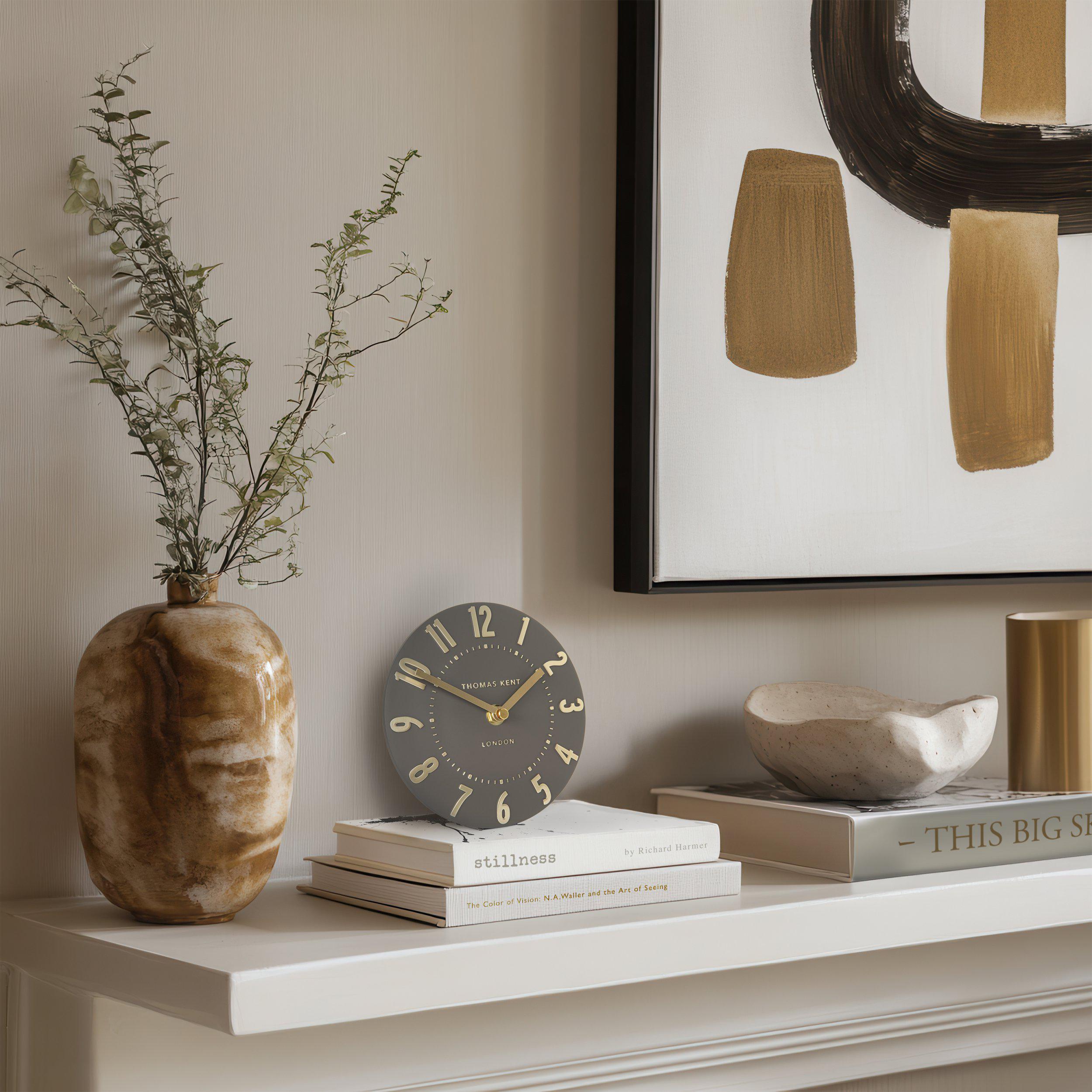
In a world filled with screens and constant notifications, the analogue wall clock is quietly making a comeback. More than just a way to tell the time, wall clocks influence how we experience our homes - shaping mood, improving focus, and adding presence to a space.
From large statement pieces in living rooms to minimalist designs in home offices, modern wall clocks in the UK are no longer just functional. They are psychological anchors within a room.
Why We’re Returning to Analogue Wall Clocks

Digital time is everywhere - on phones, ovens, laptops and televisions. Yet many homeowners are choosing an analogue wall clock for their interiors.
Why? Because analogue time feels different.
- It introduces visual rhythm through circular movement.
- It adds depth through layered dials and crafted finishes.
- It softens the urgency of constantly checking a screen.
- It creates a focal point on the wall.
Unlike digital displays, which divide the day into precise seconds, an analogue wall clock shows the passage of time. The movement of hands feels continuous - and that subtle difference changes the atmosphere of a room.
How Wall Clocks Create Calm in Modern Homes

Interior trends across the UK are leaning toward slower, more intentional living. Warm neutrals, natural textures and considered statement pieces are replacing clutter.
A large wall clock can:
- Anchor a living room or kitchen.
- Balance open-plan layouts.
- Replace the need for multiple smaller accessories.
- Reduce reliance on checking your phone for the time.
Oversized and statement wall clocks work particularly well above mantels, dining tables and sideboards - helping a wall feel designed rather than unfinished.
The Best Wall Clock for a Home Office

With hybrid working still common across the UK, the home office is now one of the most important rooms in the house.
A visible analogue wall clock in a workspace can:
- Improve time awareness.
- Encourage structured work blocks.
- Reduce digital distractions.
- Support productivity without screen interruption.
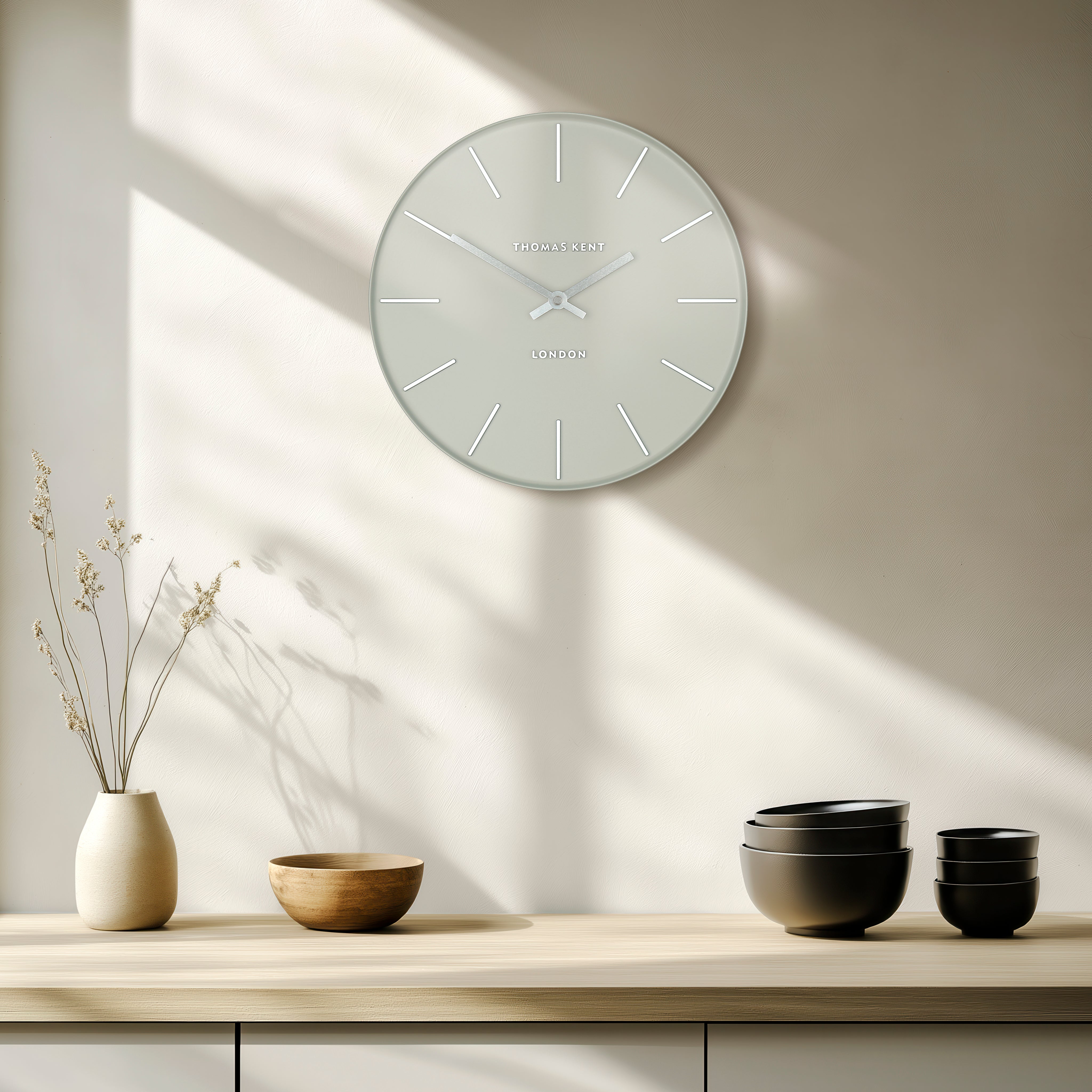
For home offices, choose clean, modern wall clocks with minimal dials. Simplicity keeps visual noise low while maintaining functionality.
Choosing the Right Statement Wall Clock

Scale and finish matter more than many people realise.
When choosing a wall clock for your home, consider:
- Wall width and ceiling height.
- Whether you want bold numerals or a minimalist face.
- Material - wood for warmth, metal for contrast.
- Whether the clock should blend in or stand out.
The right analogue wall clock doesn’t just tell the time - it becomes part of the room’s architecture.
Frequently Asked Questions About Wall Clocks
Are analogue wall clocks better for home interiors?
Yes - analogue clocks add texture, movement and warmth, making them ideal for living rooms, kitchens and bedrooms.
Where should I hang a large wall clock?
Large wall clocks work best above mantels, dining tables, sideboards or as a feature on open-plan walls.
What size wall clock should I choose?
As a general rule, your clock should fill around one-third to one-half of the available wall space to feel balanced.
Are modern wall clocks still in style in the UK?
Absolutely. Modern wall clocks in neutral finishes and oversized designs remain a key interior trend.
The Bottom Line
The analogue wall clock is more than a functional object - it’s a design decision. In an increasingly digital world, decorative wall clocks reconnect us to rhythm, flow and presence.
Choose a clock that doesn’t just tell the time - choose one that shapes your space.
Shop Our Wall Clocks →