
The Autumn Equinox: When Light and Time Find Balance

There’s a point every September when summer quietly slips out of the room and autumn takes its seat. The light turns golden, the evenings draw in and suddenly a cup of tea feels less like a drink and more like a plan.
That turning point is the autumn equinox. It sounds rather grand and astronomical, but don’t worry — no telescope or maths homework required. It’s simply a lovely moment of balance, and a very good excuse to make home feel a little warmer.
So, What Actually Is the Autumn Equinox?

The autumn equinox happens when the Sun crosses the celestial equator, heading south. In the Northern Hemisphere, it marks the beginning of astronomical autumn.
The word equinox comes from the Latin for “equal” and “night”, because day and night are almost the same length. Almost. Thanks to the way our atmosphere bends sunlight — and the fact that the Sun is a disc rather than a tiny dot — we usually get a little more than twelve hours of daylight.
So it isn’t a perfect 50/50 split, but we’ll let it off. Nature rarely checks a spreadsheet.
In 2026, the UK’s autumn equinox arrived on 23 September at 1.06am BST.
Why Does the Date Keep Moving?
You may have noticed the equinox refuses to commit to one date. It usually falls on 22 or 23 September in the UK, and there’s a good reason.
Our calendar has 365 days, while Earth takes roughly 365 days and six hours to travel around the Sun. Leap years tidy up most of the difference, but the exact moment still shuffles slightly from year to year.
And just to keep things interesting, meteorological autumn starts on 1 September every year. Same season, two opening nights.
The Light Changes First

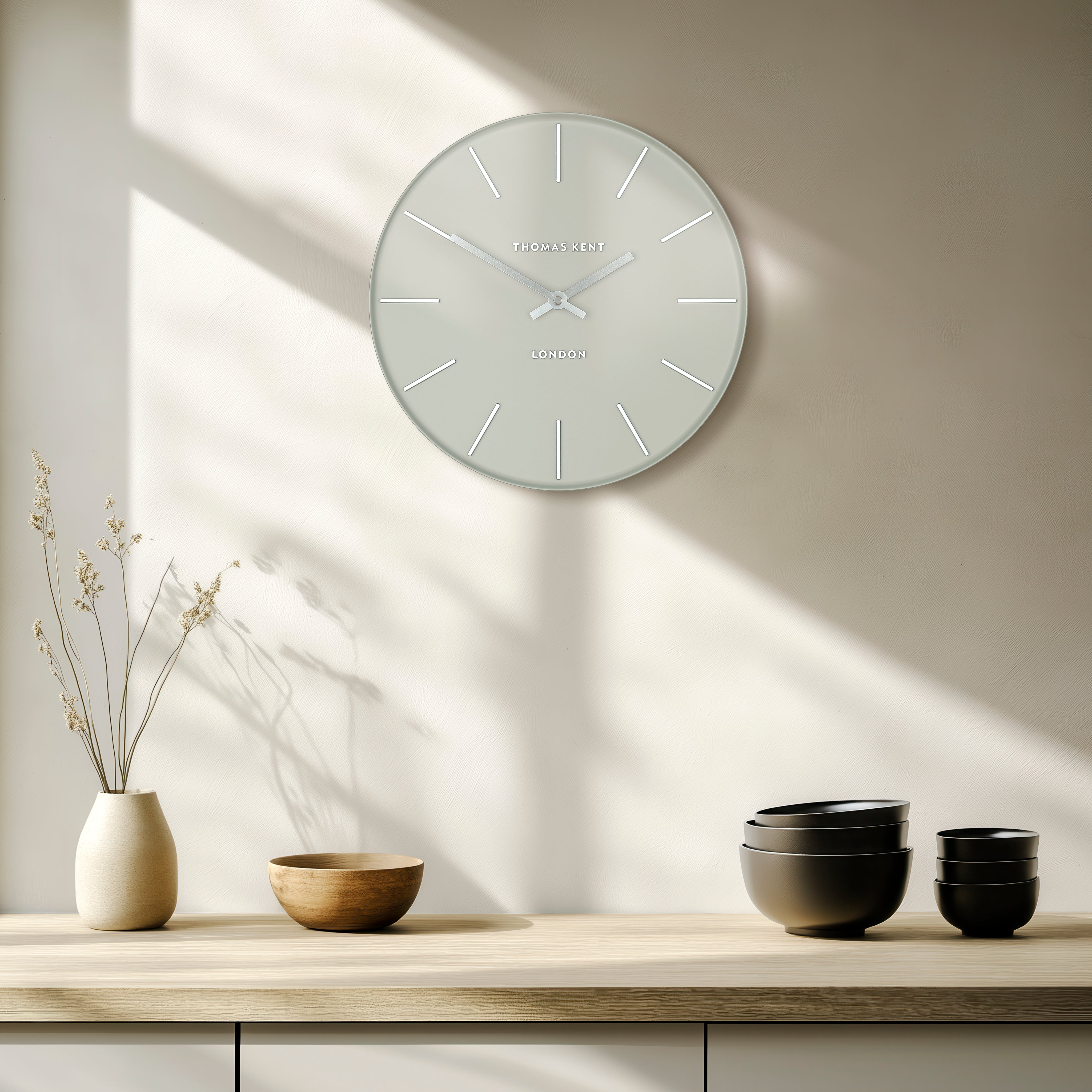
Before the leaves really get going, the light gives autumn away. The Sun sits lower in the sky, reaches further into a room and casts longer, softer shadows. Familiar spaces suddenly look richer and more textured.
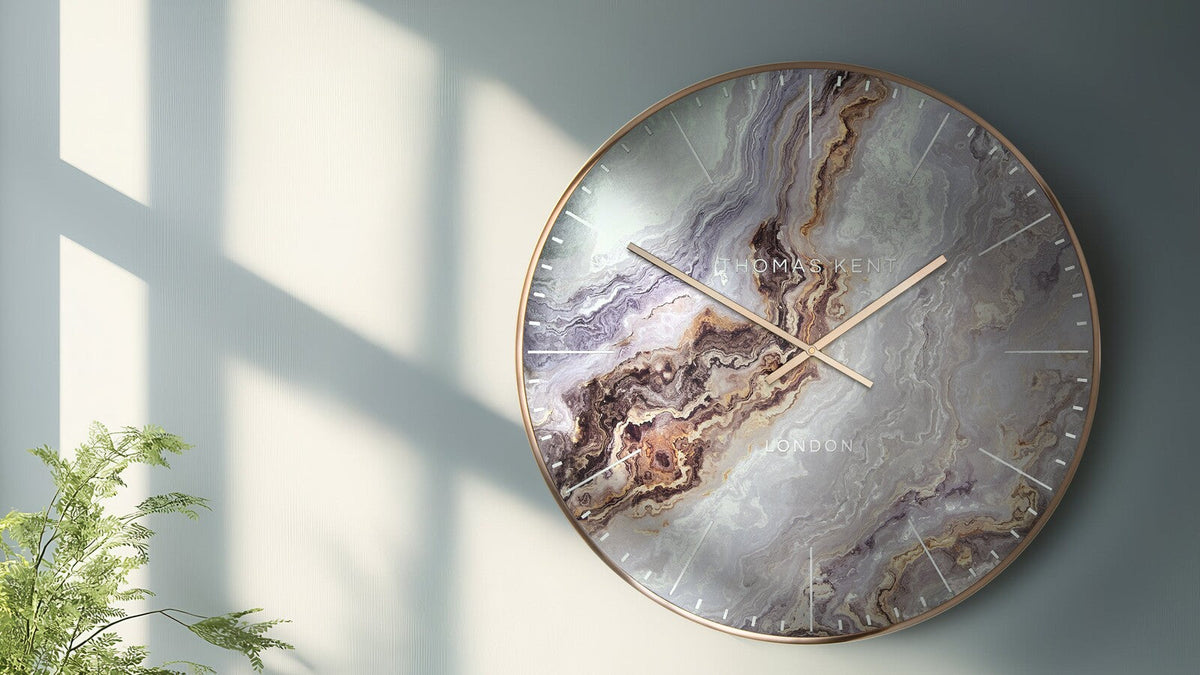
This is where a great clock earns its place. A warm metal rim catches the late-afternoon sun. A deep green face looks moodier as evening arrives. Even a simple dial can become the focal point when the light lands just right.
A few easy ways to work with the seasonal shift:
- Layer lamps rather than relying on one big overhead light.
- Bring in tactile pieces — wool, linen, wood and ceramics all help.
- Use earthy shades such as forest green, bronze, ochre and mulberry.
- Let one strong piece lead the room instead of adding clutter everywhere.
No full redecoration required. Your weekend is safe.
A Room Likes Balance Too
The equinox is all about balance, and rooms are much the same. Too many small accessories can leave a wall feeling busy; too few and it can look as though you’ve only just moved in.
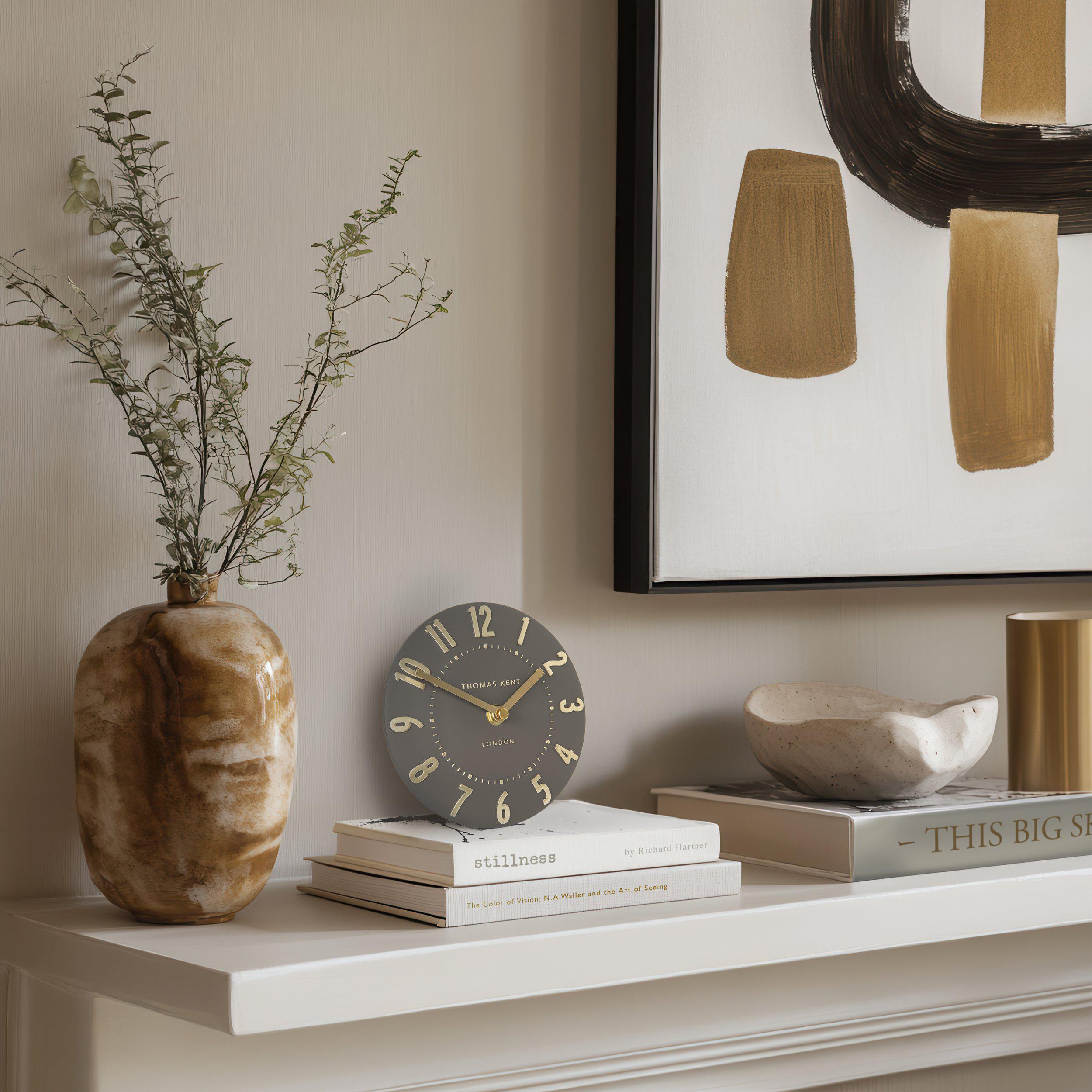
A clock is useful here because it brings shape, scale and purpose in one go. Its round form softens straight lines, while its position gives the eye somewhere to land. Above a sideboard, over a mantel or on a generous kitchen wall, it can pull the whole space together without trying too hard.
The trick is to give it breathing room. If the clock is the star, the supporting cast doesn’t all need a speaking part.
Autumn Colour — Minus the Clichés

Autumn interiors don’t have to mean pumpkins on every surface. The season’s best colours are the ones that still look good in February: deep greens, warm stone, smoky blue, burnt orange, bronze and natural timber.
They work because they come from nature, play nicely with neutrals and make a room feel inviting without turning it into a seasonal display.
A clock in one of these shades is an easy way to bring the palette in. It adds enough colour to shift the mood now, but won’t feel out of place when spring eventually remembers to turn up.
Explore our Autumn Tones collection →
The Five-Minute Autumn Reset

The equinox has long been a moment for harvest, reflection and preparing for the colder months. We’re not suggesting you head into a field with a scythe. A quick home reset will do nicely.
- Check the batteries in your clocks.
- Move a favourite piece into the softer autumn light.
- Add one warm lamp for darker evenings.
- Clear the surface that has mysteriously become home to everything.
- Make tea. This last step is non-negotiable.
Small changes are often enough to make a room feel ready for the season — calmer, warmer and somewhere you genuinely want to spend the evening.
Frequently Asked Questions About the Autumn Equinox
When was the autumn equinox in 2026?
In the UK, it occurred on 23 September 2026 at 1.06am BST.
Are day and night exactly equal?
Not quite. The atmosphere bends sunlight and the Sun appears as a disc, so daylight usually lasts a little longer than twelve hours.
Is the equinox the first day of autumn?
It is the start of astronomical autumn. Meteorological autumn begins on 1 September.
Why do the evenings get darker afterwards?
The Northern Hemisphere continues to tilt away from the Sun as Earth moves through its orbit, reducing daylight until the winter solstice.
Do the clocks go back on the equinox?
No — that happens separately. In the UK, British Summer Time ends on the last Sunday in October.
The Bottom Line
The autumn equinox is less about memorising astronomy and more about noticing the shift: softer light, richer colour and evenings that invite us to slow down a little.
Welcome it with a few thoughtful changes, a room that feels beautifully balanced and, naturally, a clock worth looking at.
Autumn has arrived. Let’s give it a warm welcome.
Shop Autumn Tones →